HypoxyLab™ Hypoxia Chamber
Bench-Top Physiological Oxygen Incubator and Workstation
We understand oxygen
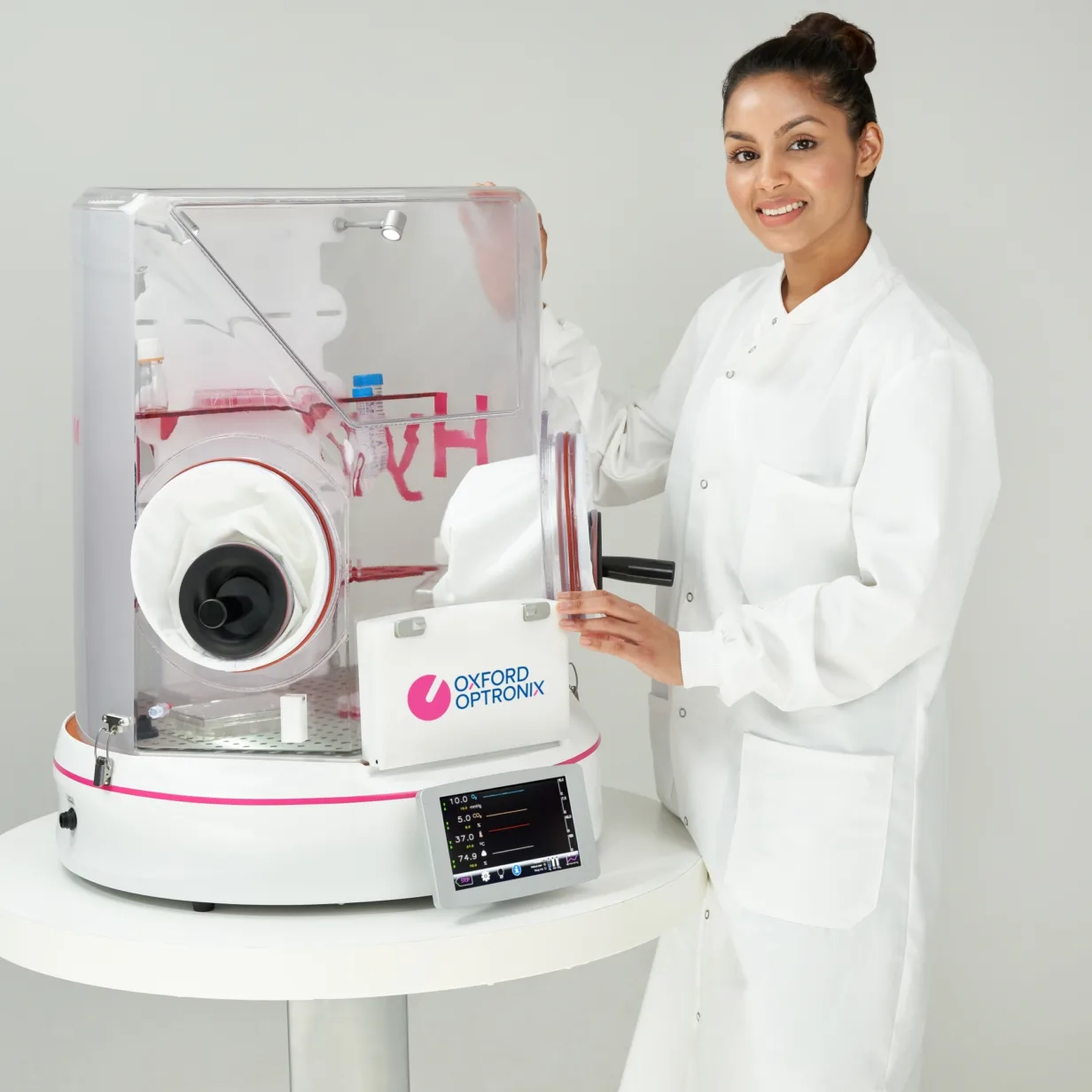
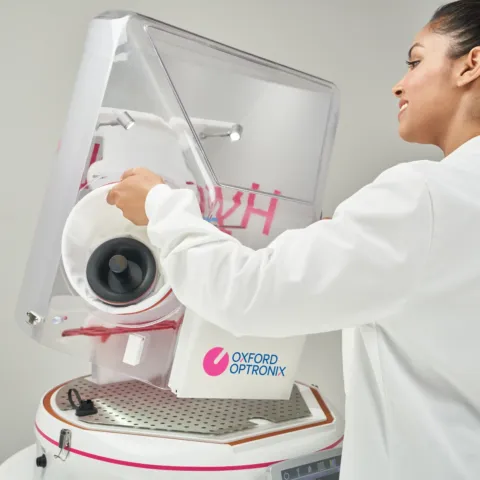
HypoxyLab™ - physiological oxygen for your cell cultures, the scientific way
HypoxyLab uses oxygen partial pressure to define its environment so your cells see the oxygen they're supposed to
In your lab from £1,195 / €1,345 / $1,495 per month*
Target response time: less than 24 hours
Gallery
Videos
- 30+Years
- Experience & Innovation
- 200+Institutions
- Scientific Partnerships
- 30+Countries
- Global Reach
Our Global HypoxyLab Clients






































Authentic physoxia
Features summary
-
Mimicking in vivo oxygen
Faithfully recreates the oxygen environment encountered by living tissue
-
Regulated by oxygen partial pressure
Guaranteeing true physoxia and hypoxia, and experimental reproducibly across all laboratories
-
Compact, ergonomic, efficient
Fits on a standard lab bench, comfortable operation, industry-leading nitrogen consumption
-
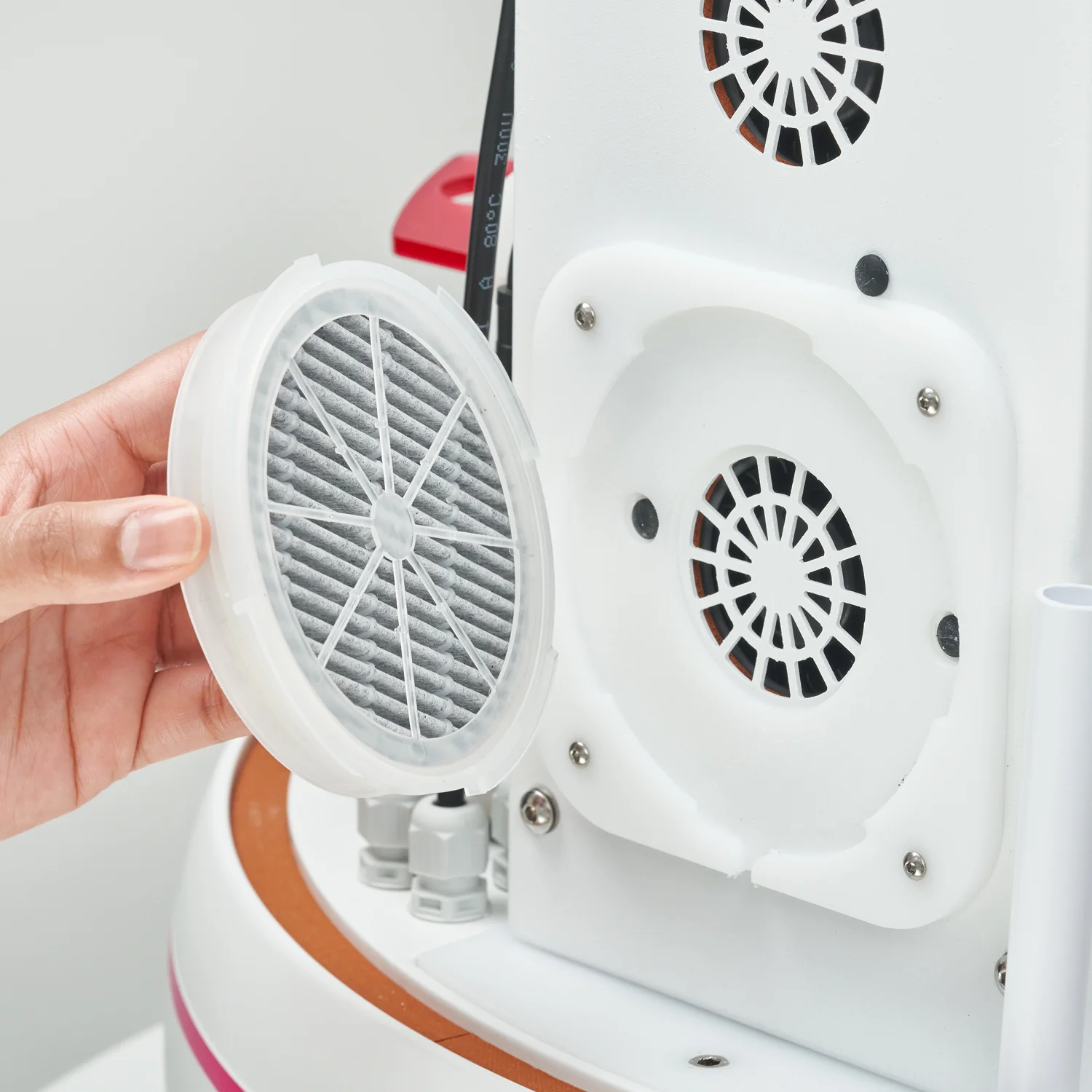
HEPA filtration built-in
Protecting your cells from contamination.
-
Smarter sample transfer
No air lock required; transfer samples in seconds
-
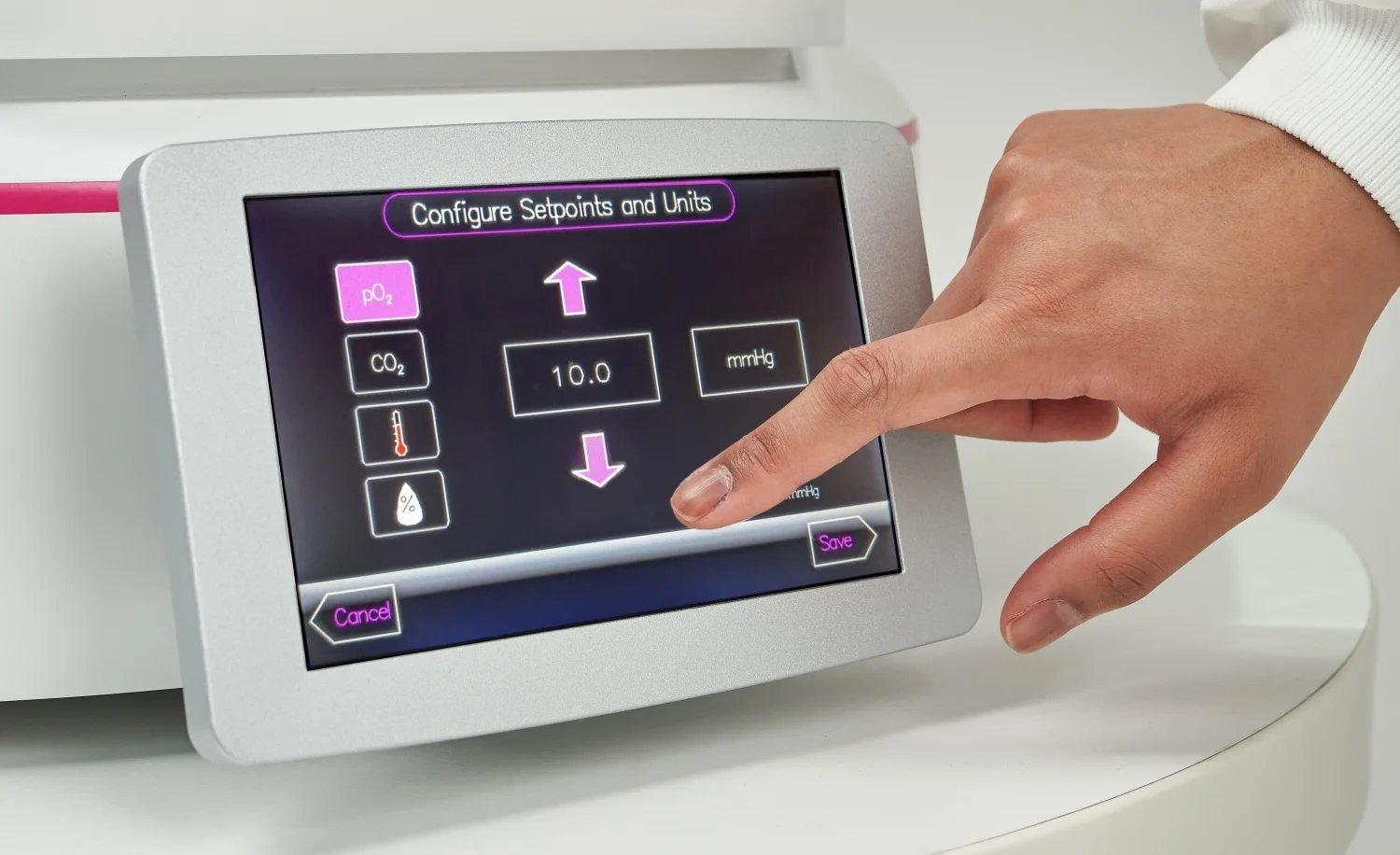
Intuitive colour touchscreen
Functionality at your fingertips. Programmable oxygen profiles included
-
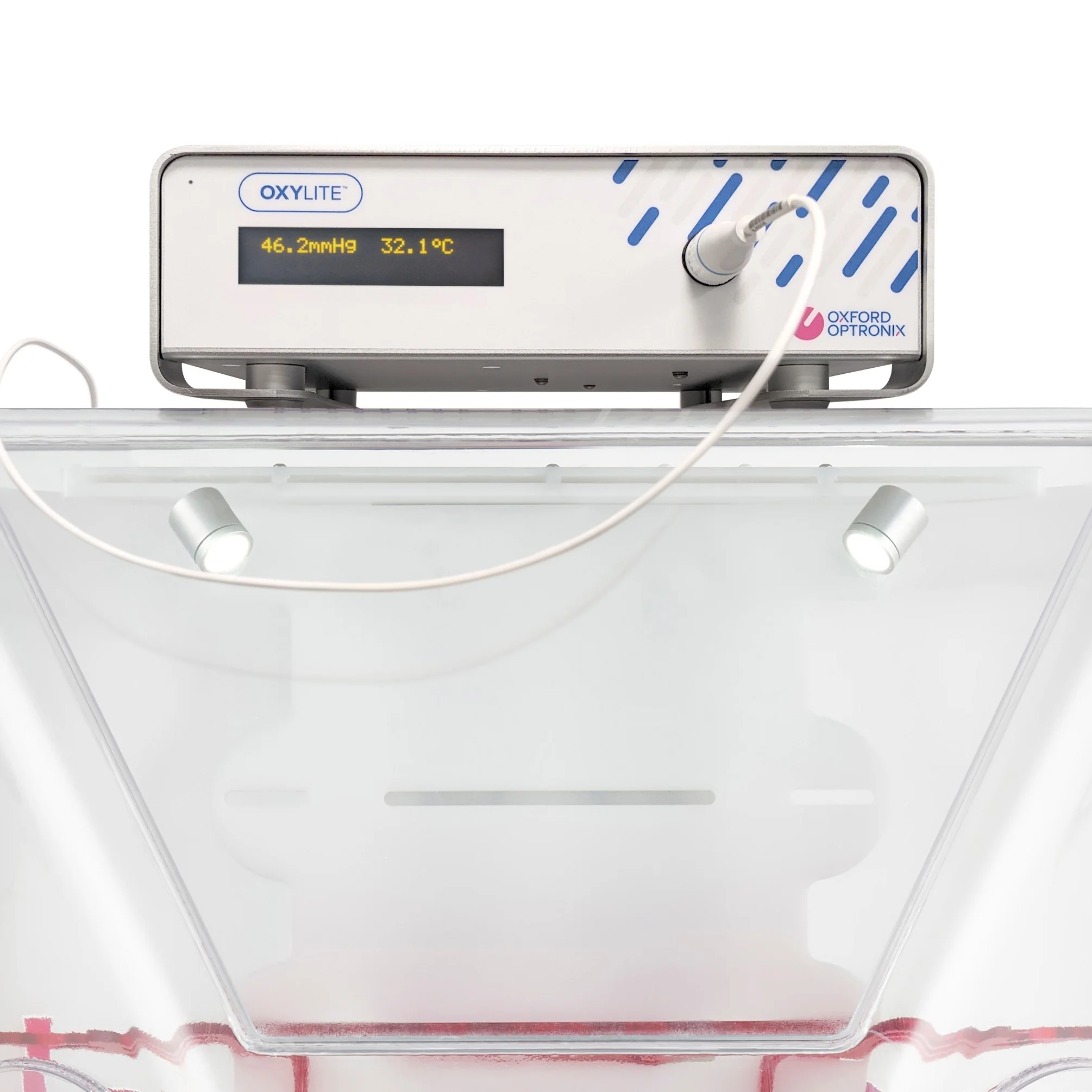
OxyLite™ ready
Verify directly what oxygen environment your cells are actually experiencing
-
2-year manufacturer's warranty
Generous manufacturer-backed peace of mind; extension available
-
Support when you need it
Responsive, specialist technical support is free and unlimited
Why choose HypoxyLab
An introduction to HypoxyLab™
Controlling the physiological cellular oxygen environment is essential for the analysis of cellular processes with respect to function and metabolism.
HypoxyLab™ is a fully-featured, ergonomically engineered and easy to use normoxia/hypoxia tissue culture incubator and workstation that provides a HEPA-filtered environment in which oxygen, carbon dioxide, temperature and humidity can be precisely controlled, and is suited to applications including but not limited to:
- Cancer, radiation and apoptosis cell biology
- Stem cell research
- Neurosciences research
- Human virology research
- Multidisciplinary drug development and proteomics
The rationale
Cells react in different ways both metabolically and morphologically depending on the environmental factors maintaining and interacting with them. In tissue culture, faithfully reproducing the in vivo cellular oxygen environment is vital for meaningful analysis of both cell metabolism and cell function.
Cells in vivo experience oxygen concentrations in the range of 5 – 80 mmHg (approx. 0.5 – 10% oxygen), depending on the tissue type. Yet in vitro cell biology is typically performed in incubators in which cells are exposed to atmospheric levels of oxygen (21%), a 'hyperoxic' state for most cell types. In other words, the oxygen concentration typically encountered by cells in traditional incubators is 2 - 20 times that experienced in living tissues, with potentially profound implications on cell metabolism.
The HypoxyLab™ reproduces physiological conditions in cell-based research by delivering a contamination-free tissue culture environment that offers precise control of oxygen, CO₂, temperature, and humidity. And it does so in a remarkably compact and ergonomic form-factor that offers unmatched ease-of-use and economical gas consumption.
Importantly, it is the partial pressure of oxygen, not the proportion (percentage) of oxygen in the environment that cells in culture actually 'see'. HypoxyLab adopts this physical fact and controls the chamber environment using the partial pressure of oxygen (pO₂) expressed in units of mmHg or kPa.
Since the partial pressure of oxygen varies not only with oxygen concentration but also with altitude and atmospheric pressure, this approach substantially enhances HypoxyLab's accuracy relative to hypoxia chambers and workstations that rely on % oxygen concentration control. We believe it is insufficient to express hypoxia in terms of a barometrically uncompensated percent oxygen concentration alone.
Related article: "The importance of oxygen partial pressure in cell culture"Our approach addresses a secondary shortcoming affecting traditional hypoxic/physoxic workstations in use today: reproducibility.
By intrinsically correcting for both altitude and atmospheric pressure, data generated by HypoxyLab users around the globe, wherever they are situated, can always be directly compared.
Where HypoxyLab™ fits
At one end of the spectrum, simple hypoxia enclosures maintain defined oxygen conditions but do not support cell manipulation. At the other, large workstations with sleeved armports provide the strictest possible handling control, which can be the right answer for the most demanding, high volume, continuous-culture protocols where samples must remain under maintained conditions for weeks at a time.
HypoxyLab™ sits deliberately in between. It supports both short and long-term studies, gives precise environmental control during routine experiments, and offers the ergonomics, footprint and cost profile that suits the majority of laboratory workflows.
HypoxyLab™ is the right answer for the vast majority of hypoxia work.
Built to work with cells, not just incubate them
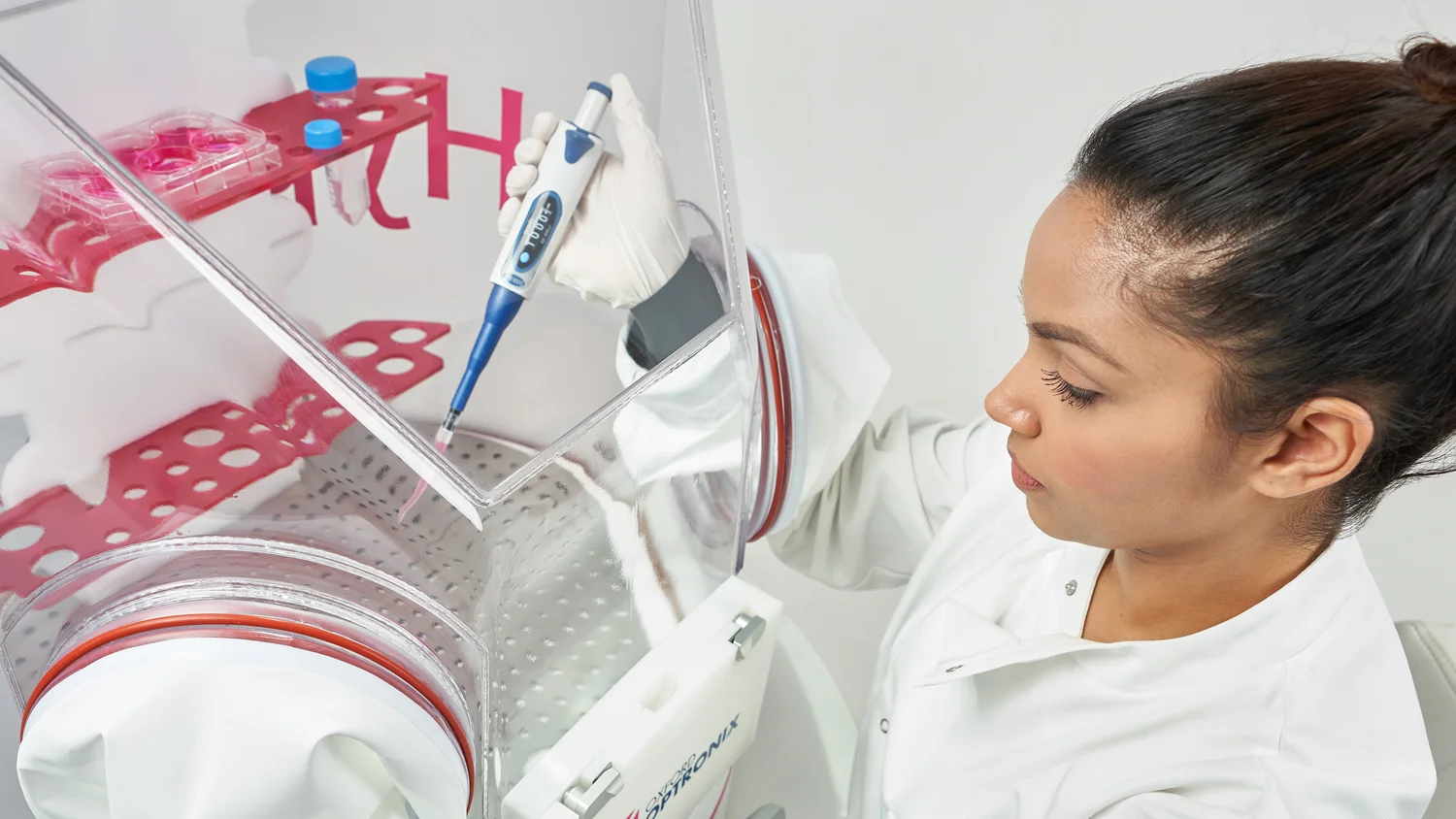
HypoxyLab™ is designed not just to maintain conditions, but to let your team access and manipulate cultures and samples inside a precisely controlled environment. Partial pressure control, integrated HEPA filtration and active humidification deliver the stability and reproducibility that simple hypoxia enclosures cannot.
Testimonials
What our customers say
“Effective and affordable equipment that gets the work done”
“Hypoxylab is reliable and user friendly”
“Easy-to-use hypoxic chamber”
“Smoothly doing hypoxia experiments with HypoxyLab”
“Great addition to our lab”
“Easy-to-use, compact hypoxia station with outstanding customer care”
“HypoxyLab is an inherent part of our experimental setup in daily routine”
Key features
True physiological oxygen (physoxia)
 Atmospheric oxygen partial pressure is variable; % oxygen is not
Click to expand
Atmospheric oxygen partial pressure is variable; % oxygen is not
Click to expand
HypoxyLab is the only hypoxia workstation that regulates its environment using the partial pressure of oxygen, making it insensitive to meteorological conditions or the altitude of the laboratory. This scientifically more rigorous approach guarantees that physiological oxygen can be accurately replicated in any HypoxyLab, anywhere in the world.
Related article: "The importance of oxygen partial pressure in cell culture"A compact hypoxia workstation
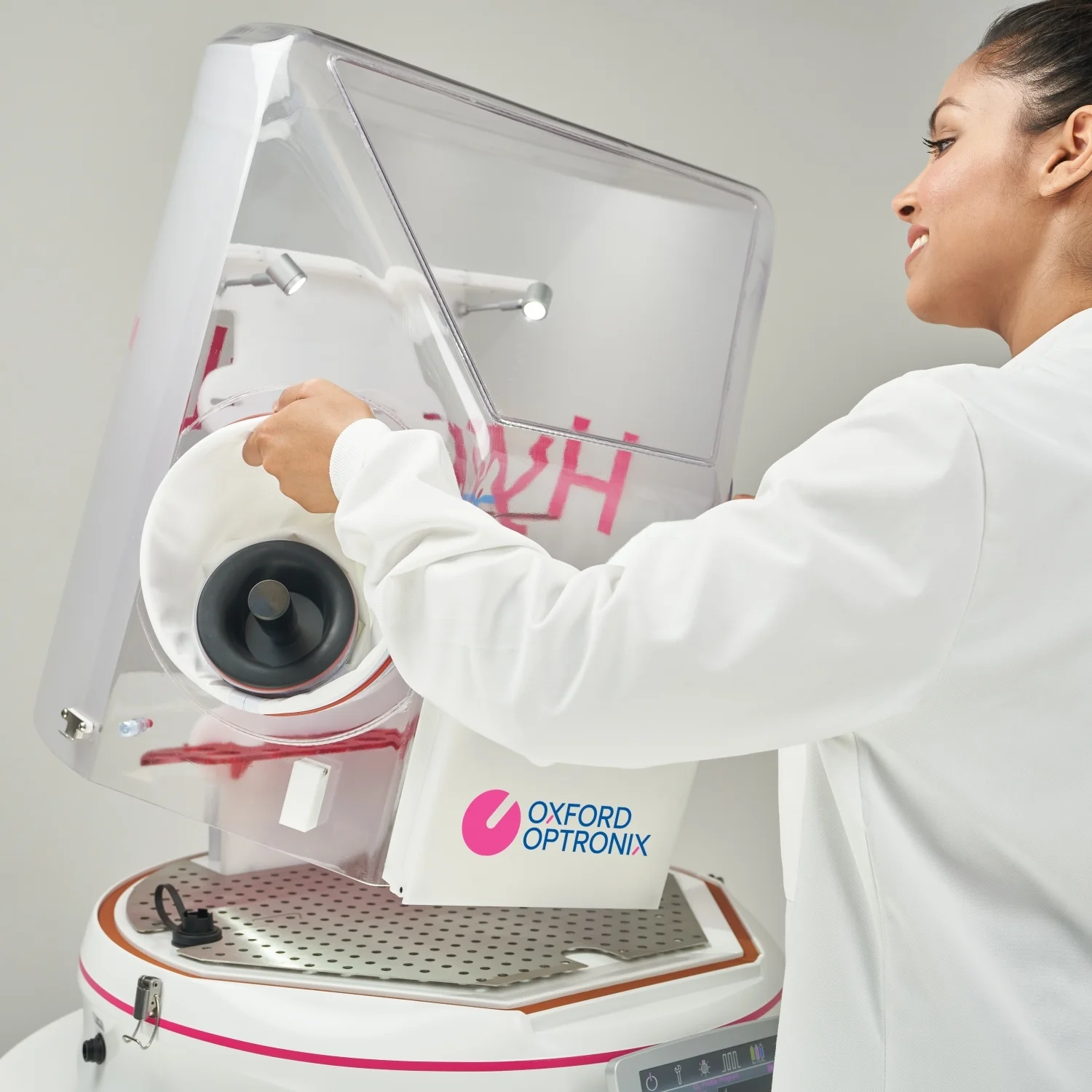
The HypoxyLab combines the functions of a workstation (glove box) and a standard CO2 incubator into a simple, compact bench-top enclosure. Its ergonomic design allows for comfortable operation via an angled vision panel for excellent visibility.
Gas control technology
Purpose-designed gas control hardware and an advanced, predictive gas control algorithm, both developed in-house, create and maintain a fully humidified, incredibly stable controlled oxygen environment for tissue culture.
Automated oxygen profiles
The ability to pre-program a dynamic oxygen profile using the touchscreen and have it run automatically is a standard feature. Supporting applications such as sleep apnea research where cells need to be subjected to cycles of hypoxia and reoxygenation.
Easy-entry hatch system
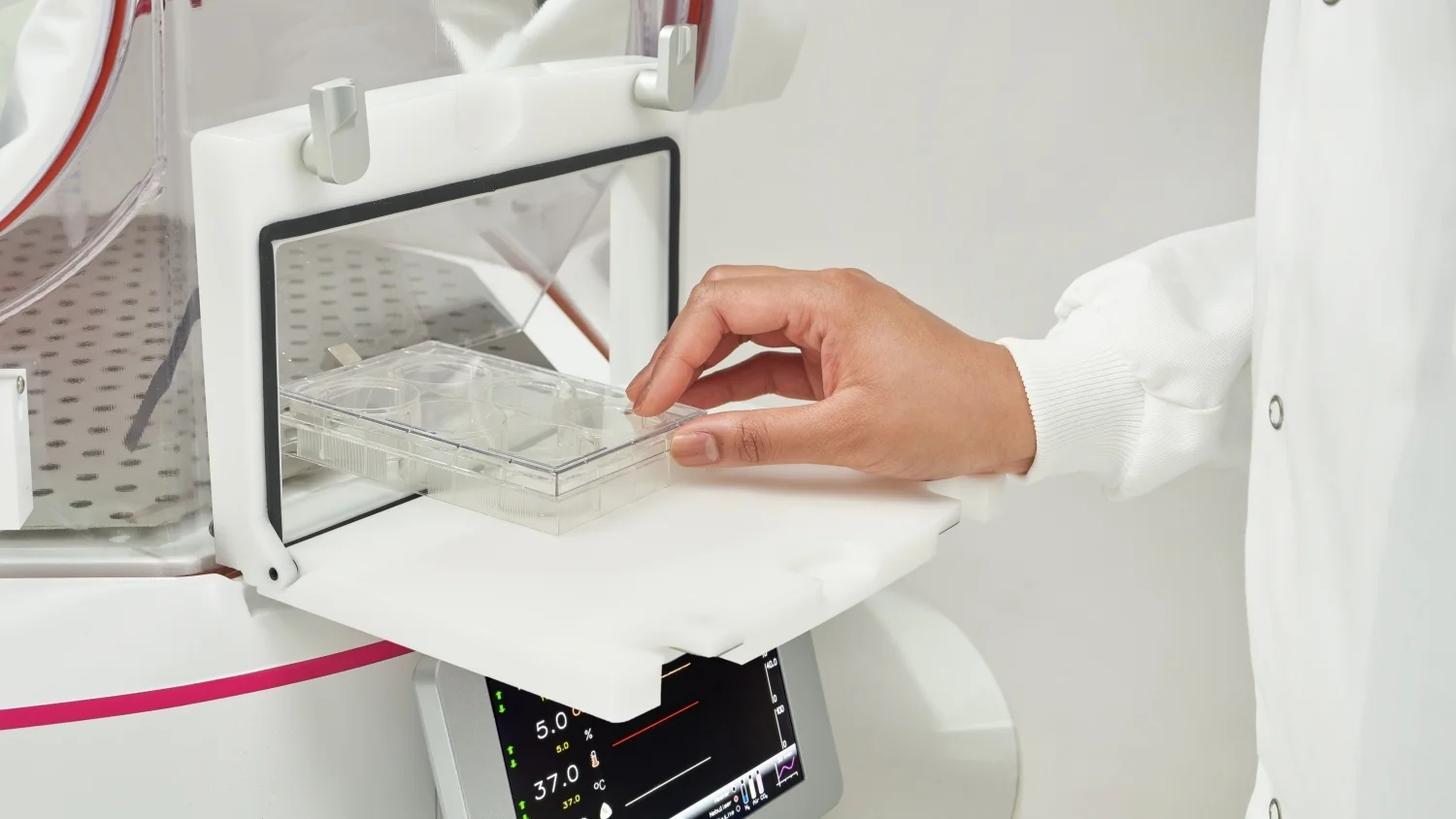 No airlock required! Quick and simple transfer of samples and accessories via an 'intelligent' letterbox entry system
Click to expand
No airlock required! Quick and simple transfer of samples and accessories via an 'intelligent' letterbox entry system
Click to expand
No airlock required! Pass samples directly through the letterbox without upsetting the internal environment. A 'letterbox' hatch entry system offers quick and simple transfer of cell plates and accessories into or out of the HypoxyLab without the traditional, time-consuming airlock purge procedure, temporarily generating a slight over-pressure to maintain stable oxygen conditions.
Dedicated article: "The HypoxyLab easy-entry system"Contamination control
A built-in UV source within the water reservoir and a user-replaceable HEPA filter that continuously scrubs the chamber atmosphere ensure that cultures and media are protected from contamination.
Dissolved oxygen direct from media & cultures
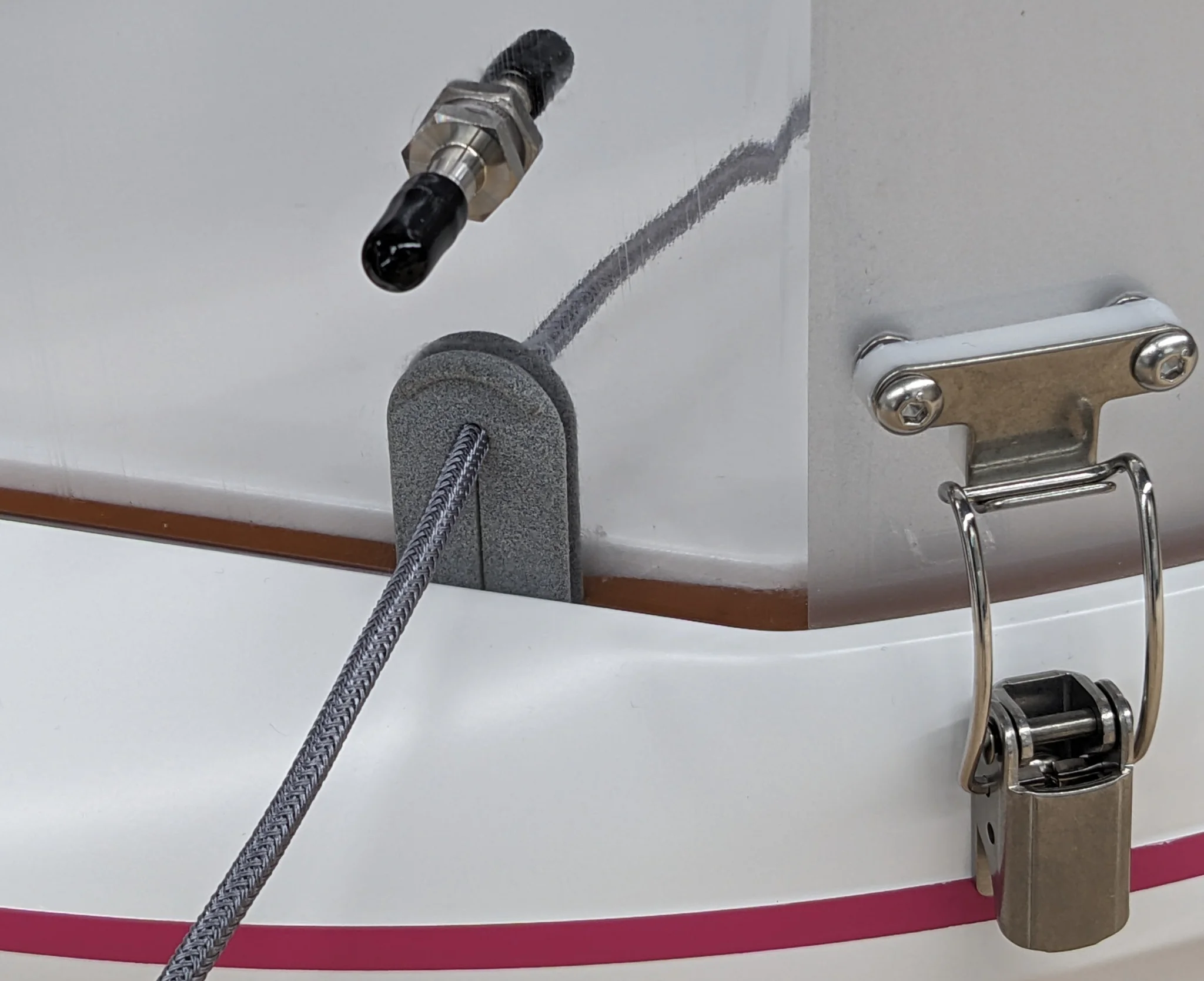
A built-in pass-thru gland supports OxyLite™ sensors for the direct and continuous measurement of dissolved oxygen directly from cells and culture media. Requires our OxyLite™ monitor, available to order separately.
Cable thru-ports
Two fully sealable built-in cable thru-ports support the use of powered devices deployed within the HypoxyLab, including digital microscopes, shakers, or micro-centrifuges, without compromising the internal environment.
Cost of ownership advantage
Its compact dimensions, industry-leading gas consumption performance, user changeable, inexpensive HEPA filters, and a 2-yearly recommended service interval all contribute to minimizing the long term costs of owning the HypoxyLab.
2-year warranty
HypoxyLab™ is supplied with a generous manufacturer's warranty of 2 years, no service contract 'strings' attached. It's 2 years from delivery, no questions asked.
Free technical support
Technical and application support is both comprehensive and free throughout the lifetime of our products. Highly experienced support staff with a scientific background pride themselves in providing the personal touch. Our goal: empower users to extract the very best value and opportunity from our products.
Other product highlights
Exceptionally low nitrogen consumption at steady state; active, nebulizer-based humidification; intuitive colour touchscreen display; fully removable enclosure cover easy cleaning; adjustable internal LED lighting; built-in data logging to USB media; stainless steel waste pass-thru port.
Comparing HypoxyLab
How HypoxyLab™ compares
| Feature |
HypoxyLab™ Oxford Optronix |
Alternative A |
Alternative B |
|---|---|---|---|
| Oxygen control mode |
Partial pressure (mmHg), or % |
% only |
% only |
| Integrated HEPA filtration |
Standard |
Optional add-on |
Optional add-on |
| Active humidification |
Nebuliser, up to 85% at 37°C |
Nebuliser, up to 85% at 37°C |
Optional add-on |
| Sample transfer |
Smart easy-entry letterbox (standard) |
Interlock (standard), letterbox optional |
Interlock (standard), letterbox optional |
| Dissolved oxygen from cell cultures OxyLite™ required |
2 dedicated side-glands |
Not available |
Not available |
| Touchscreen |
Full colour, high contrast touchscreen |
Limited-colour touchscreen |
Monochrome touchscreen |
| Working volume |
130 L |
180 L |
180 L |
| Benchtop footprint |
0.40 m² |
0.53 m² |
0.57 m² |
| System weight / portability |
28 kg |
59 kg |
77 kg |
| 2-year factory warranty |
Standard |
Conditional upon annual servicing |
Conditional upon planned preventative maintenance contract |
-
Optimized workflow
Smart sample transfer
Is a letterbox transfer hatch a compromise? We think the opposite! A traditional airlock system not only adds to the physical footprint of the chamber but introduces workflow friction so that users will tend to default to moving items in and out of their chamber in batches. The letterbox is an altogether simpler and more convenient approach that eliminate such friction.
Since the chamber senses when the letterbox hatch is in use, it can proactively eliminate any internal oxygen disturbance. Even if a minor disturbance is observed it is worth noting that the chamber can correct for this well before any change is reflected in culture medium oxygenation.
-
Right-sized
Compact, yet fully featured
For many labs, a 130 L hypoxia workstation is not a downsize but a smarter fit. A more compact working volume reaches stable conditions more rapidly, uses substantially less gas to maintain steady state conditions, and is more practical day-to-day. Teams get into experiments sooner and spend less time maintaining them.
In fact the HypoxyLab™ is so compact that a case can be made for the flexibility and throughput benefits of running TWO systems in parallel, each providing a separate oxygen environment. For many labs that flexibility is more valuable than the rare requirement for the additional internal volume a single large chamber offers.
Purpose-built platform
HypoxyLab™ is not a reduced-capacity alternative. It is a purpose-built platform for labs that want precise environmental control without the cost, gas consumption and footprint of a much larger system.
-
Dissolved oxygen from within your culture
OxyLite™ ready
Some hypoxia chambers offer a secondary atmospheric monitor as a way to cross-check headspace conditions. HypoxyLab™ takes a different approach. A built-in sensor gland accepts our optional OxyLite™ fibre-optic sensors, offering direct dissolved oxygen measurements from within culture media or indeed the cell culture layer.
After all, what really matters is not chamber oxygenation but the oxygenation that cells are actually experiencing. That makes OxyLite™ more than a verification tool. It is a biologically meaningful measurement, one that can be tracked continuously throughout an experiment.
Measurement that matters
OxyLite™ tells you what the cells are experiencing. For most labs, that is the measurement that matters.
Procurement & ownership
From enquiry to installed system to user satisfaction
-
01
Application Scoping
A brief conversation about your application, requirements and workflow lets us prepare a tailored quote.
-
02
Procurement Support
We guide your team through specifications, lead times, shipping terms and any institutional documentation needed to move the purchase forward.
-
03
Delivery & Installation
From receipt of order, your HypoxyLab™ is typically delivered within 3 weeks, including optional on-site installation and user training.
-
04
Supporting your Journey
Oxford Optronix prides itself in providing expert and personalized support throughout the lifetime of its products.
Choose the procurement model that works for you
-
01
Outright purchase
Purchase HypoxyLab outright to take immediate ownership. Typically delivered within 2 weeks of receipt of order
-
02
Rent-to-own
Spread the purchase cost over up to 18 months, then take full ownership (conditions apply)
-
03
Standard rental
Rent HypoxyLab for 3 months or more, starting at £1,195 / €1,345 / $1,495 per month (conditions apply)
Preventative maintenance
HypoxyLab™ is built to last. Regular preventative maintenance optimizes performance, reliability, and longevity
-
2-yearly preventative maintenance
Preventative maintenance for HypoxyLab is optional but highly recommended every 2 years for systems in regular use.
The work includes hardware changes, where applicable, to match the latest build specification, the preventative replacement of limited lifetime components such as the HEPA filter, armport sleeves, base seal and water supply hoses, as well as the recalibration of or preventative replacement of oxygen, CO2, and RH sensors, a general check for gas and water leaks, a thorough system performance and reliability check, installation of latest system firmware, a thorough clean and decontamination, and a 12-month manufacturer's warranty extension.
-
On-site servicing by qualified engineers
Preventative maintenance is performed on-site where possible, to minimise user inconvenience and system downtime.
The work is carried out by highly experienced Oxford Optronix engineers or an approved and suitably trained representative from our global network of partner companies.
Publications
Recent citations of note
Dela R, Lemos Da Silva L, et al., and Adrian G (2025). Not all tumors are alike: Varying efficacy of FLASH across tumor types and oxygenation status in spheroid models.
Br J Radiol
pubmed.ncbi.nlm.nih.gov/40878442/Okuda EK, Kessler LF, et al., and Müller-McNicoll M (2025). Rapid depletion and superresolution microscopy reveal dual roles of SRSF5 in coordinating nuclear speckle-paraspeckle crosstalk during cellular stress.
Nucleic Acids Res
pubmed.ncbi.nlm.nih.gov/40716777/Winek E, Wolińska-Nizioł L, et al., and Suwińska A (2025). Zygotic activin A is dispensable for the mouse preimplantation embryo development and for the derivation and pluripotency of embryonic stem cells.
Biol Reprod
pubmed.ncbi.nlm.nih.gov/39504567/CD-44 targeted nanoparticles for combination therapy in an in vitro model of triple-negative breast cancer: Targeting the tumour inside out (2025). Gómez-Pastor S, Maugard A, et al., and Ruiz A.
Colloids Surf B Biointerfaces
pubmed.ncbi.nlm.nih.gov/39817967/Blog articles
Selection only — click here for a list of all blog articles.
What is the Principle of a Hypoxia Chamber?
Hypoxia chambers mimic low-oxygen environments for cell research, controlling oxygen, CO2, and…
What is Hypoxia in Cell Cultures?
Mimicking physiological oxygen conditions in cell culture is central to the study of cellular…
Chemical Hypoxia vs. True Oxygen Control in Cell Culture
Chemical hypoxia mimetics such as cobalt chloride can stabilize HIF-1 alpha, but they do not…
The Case for Physiological Oxygen in Organoid Research
Embracing physioxia in organoid culture: enhancing viability, development, reproducibility, and…
Low Oxygen, High Potential: The Role of Hypoxia in Stem Cell Biology
Hypoxia enhances stem cell survival, proliferation, and differentiation, mimicking in vivo…
Simulating In Vivo Oxygen Conditions: A Guide for Cell Culture Protocols
Replicating in vivo oxygen conditions during cell culture enhances the relevance and accuracy of…
Frequently Asked Questions
HypoxyLab is a cell culture incubator and hands-on workstation that accurately mimics and maintains true physiological oxygen conditions, as well as maintaining temperature, humidity and CO₂ conditions like any standard cell culture incubator.
The HypoxyLab is sufficiently compact to fit on an ordinary laboratory bench, does not require the use of a dedicated transfer hatch, and comes fitted from the factory with built-in HEPA filtration, active humidification control, and an oxygen profiling feature. Additionally, the HypoxyLab regulates its oxygen environment using the partial pressure of oxygen (in mmHg) for the ultimate in scientifically rigorous oxygen control precision.
Using the partial pressure of oxygen to control the oxygen environment within HypoxyLab is simply the more scientifically rigorous thing to do! Since atmospheric (barometric) pressure changes with weather patterns, as well as with laboratory altitude, so does the oxygen concentration if it is merely maintained as a percentage thereof. Instead, HypoxyLab uses the partial pressure of oxygen to compensate for barometric pressure, ensuring that cells cultured within it 'experience' a consistent oxygen concentration whatever the weather and laboratory location. It ensures that data generated in HypoxyLab can be compared with and/or accurately reproduced by any other HypoxyLab user around the world.
Cell culture plates, medium, pipettors and other objects can be moved in and out of the HypoxyLab via the simple to operate easy-entry hatch at the front, or can be placed in the chamber prior to the start of the experiment by simply lifting off the whole enclosure cover.
Opening of the hatch is accompanied by a transient internal overpressure generated by injecting nitrogen. This completely prevents ingress of external air in most scenarios. Only under extreme hypoxia, or where the hatch is opened for an unusually long time, will a small oxygen transient be observable. If so, this is eliminated within 2–3 minutes, ensuring no adverse effects on cell cultures.
There is no requirement per se for the operator to wear gloves, however, as with all cell culture work, wearing gloves represents good laboratory practice.
The enclosure cover is fully removable, exposing all internal surfaces for easy access. Hydrogen-peroxide-based surface cleaners are well suited to the HypoxyLab™ and effective against a broad range of laboratory contaminants. Diluted ethanol (typically around 70%) can also be used for routine surface cleaning, though prolonged or repeated contact with the acrylic and polycarbonate surfaces should be avoided as it can dull the finish over time. As always, please consult the product data sheet for any cleaner you intend to use, along with your own institutional guidelines.
Yes. For users who want hands-free, whole-chamber decontamination beyond routine surface cleaning, the optional MycoFog™ system delivers a controlled antimicrobial mist throughout the HypoxyLab™ and is designed specifically for compatibility with it.
HypoxyLab requires a source of 3 gases, namely 100% nitrogen, 100% CO₂, and synthetic air (typically 20% oxygen, balanced in nitrogen). If the oxygen profiling feature or rapid increases in internal oxygen are not a requirement, the HypoxyLab can optionally operate on just CO₂ and nitrogen alone. All gases should be laboratory grade (99.98% / 'N3.8' or better) and must be supplied at an inlet pressure of between 1 – 5 bar (15 – 70 PSI).
No. While the HypoxyLab features a built-in HEPA filter that continuously 'scrubs' the internal atmosphere, the system does vent externally. The HypoxyLab is NOT therefore a substitute for a fume cupboard or a biological safety cabinet.
The built-in HEPA filtration scrubs the internal atmosphere within seconds of startup and achieves an environment equivalent to ISO 14644-1 Class 2 within a few minutes of power-up. Contamination control is built into the system by design rather than left to procedure alone, helping to protect cultures and media from the moment the chamber is in use.
Yes. The HypoxyLab features a built-in gland that supports the introduction through the enclosure of our optional OxyLite™ fibre-optic dissolved oxygen sensors. These provide a continuous reading of dissolved oxygen in units of mmHg, directly from media or cell cultures within the chamber. For teams who want secondary verification of conditions, this is a more biologically meaningful measurement than a chamber-headspace cross-check, since it reflects what the cells themselves are experiencing.
The system can be operated standing up or from a seated position. A height-adjustable stool is recommended for seated operation.
Nitrogen consumption is extremely dependent on the conditions being maintained and the usage 'profile' being employed. Typically, a standard (50L) laboratory gas cylinder of compressed nitrogen can be expected to support 2–6 weeks of continuous use.
Yes. Trace data are automatically and continuously stored to internal memory and can be copied to USB media at any time. Data are written in a format compatible with LabChart Reader software, a free viewer from ADInstruments.


Accessories included
-
Enclosure-to-base main seal
Product code HL061
-
Shelf units for HypoxyLab (1 pair)
Product code HL217
-
Latex wrist seals (1 pair)
Product code HL102
-
Armport sleeves (1 pair)
Product code HL100
-
Wrist seal plugs (1 pair)
Product code HL079
-
Stainless steel elevated floor for HypoxyLab
Product code HL216
-
Purpose designed, stretchy thermal jacket for HypoxyLab
Product code HL168
-
3.5 m inlet gas hoses (3 provided)
Product code HL103


Specifications
General
- Gas control
- 3 channel gas mixer; Model Predictive Control (MPC) algorithm control
- Inlet gases required
- Essential - nitrogen, carbon dioxide; Optional - synthetic air
- Inlet gas pressure range
- 1 - 4 bar / 15 - 60 PSI
- Gas purity grade
- 99.98% / N3.8 or better, recommended
- Contamination control
- Integrated HEPA filtration
- Chamber working volume
- approx. 130L
- Chamber working area (floor)
- approx. 500 mm (W) × 390 mm (D)
- Chamber storage capacity
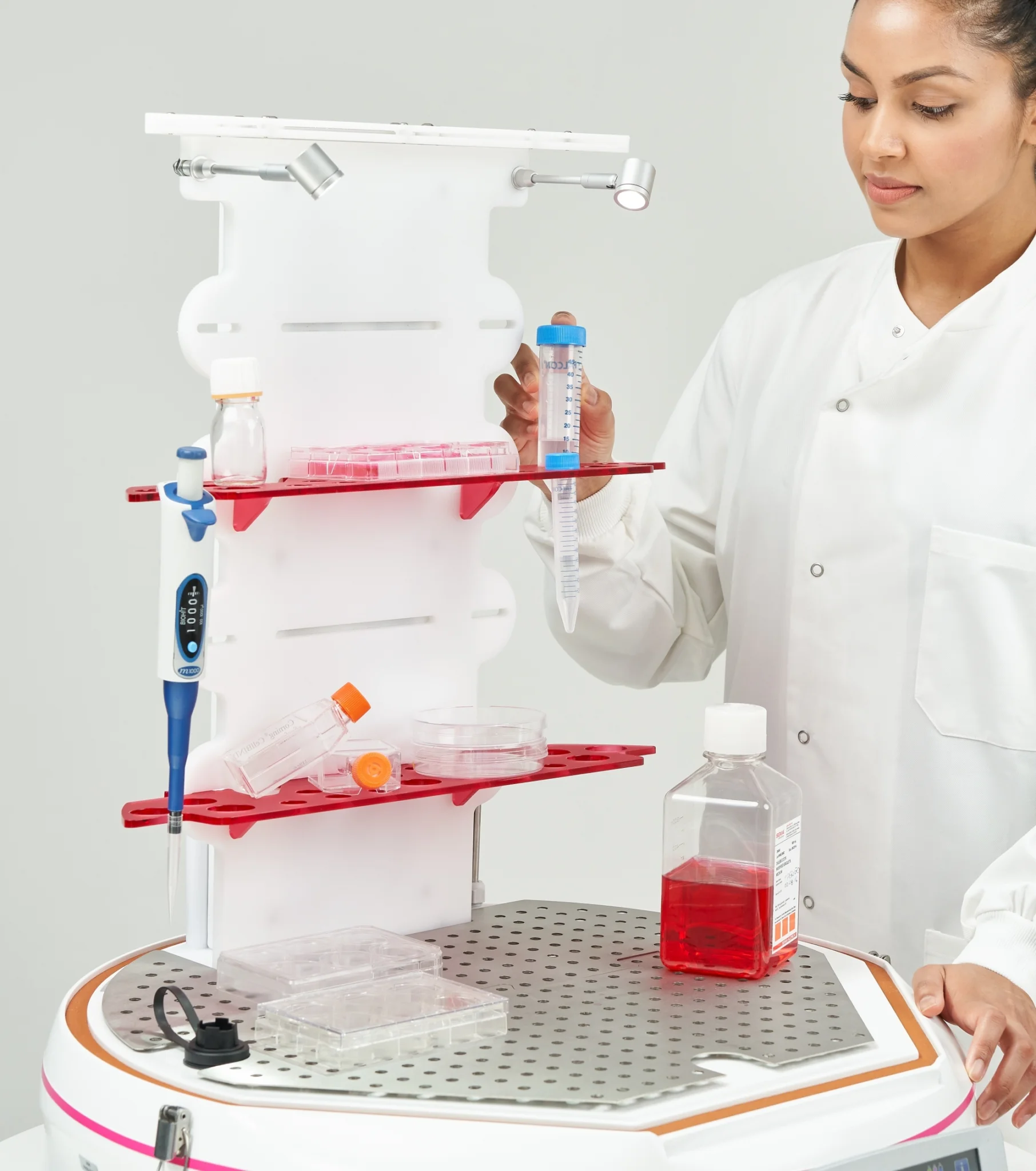
- Up to 40 multi-well plates or 10 cm Petri dishes (assumes 2 shelf units; excludes storage on chamber floor)
- Maximum gas flow rate
- 15L/minute/gas
- Enclosure cover (removable)
- Polyethylene terephthalate G (PET-G)
- Transfer hatch
- 'Easy-Entry' letterbox with internal flap (usable dimensions 204 mm (W) × 88 mm (H))
- OxyLite™ thru-gland
- 1 × integrated thru-gland for OxyLite™ oxygen sensors
- Cable ports
- 2 x sealing cable thru-ports supporting cables or tubes up to 7 mm OD
- Waste port
- 1 × integrated stainless steel 6 mm waste port pass-thru (for vacuum line)
- Display
- High contrast 800 × 480 pixel LCD touchscreen
- USB ports
- 1 × Type-A (data recording and firmware updates), 1 × Type-C (internal USB Type-C thru port)
- Power
- 110 – 240V AC 50/60 Hz, 500W max
- External dimensions
- Width 590 mm, Depth 690 mm, Height 800 mm
- Weight
- 28 Kg / 62 lbs
- Operating temp range (external)
- 15 – 30 °C
Oxygen Control
- Control method
- Model Predictive Control (MPC), optical oxygen sensor
- Control range
- 1 – 175 mmHg (0.1 – 23%); user programmable via touchscreen
- Sensor calibration
- Semi-automated user calibration, recommended every 6-months
- Accuracy
- ± 0.5 mmHg (<20 mmHg); ± 1 mmHg (<40 mmHg); ± 2 mmHg (<80 mmHg); ± 3 mmHg (<130 mmHg); ± 5 mmHg (<175 mmHg)
- Resolution
- 1 mmHg
CO₂ Control
- Control method
- Model Predictive Control (MPC), IR CO₂ sensor
- Control range
- 0 – 18.0%; user programmable via touchscreen
- Calibration
- Semi-automated user calibration, recommended monthly
- Accuracy
- ± 0.25% (<10%); ± 0.5% (<18%)
- Resolution
- 0.10%
Temperature Control
- Control method
- PI control algorithm, band-gap temperature sensor
- Control range
- Ambient +5 °C (min 20 °C) – 42 °C; user programmable via touchscreen
- Calibration
- Pre-calibrated, no user calibration required
- Accuracy
- ± 0.5 °C
- Resolution
- 0.1 °C
- Gradient across chamber
- ± 0.5 °C
Humidity Control
- Control method
- Modified PI control algorithm, capacitive RH sensor
- Calibration
- Pre-calibrated, no user calibration required
- Control range
- Ambient – 85% RH; user programmable via touchscreen
- Accuracy
- ± 2.5% RH
- Resolution
- 1% RH
*Specifications subject to change without notice
Ask us anything
Enquire now
Our team of experienced scientists, engineers and support specialists will respond personally to your enquiry
- All-inclusive pricing
- 2-year manufacturer's warranty
- Free support for the lifetime of our products
- Responsive on-site, video, or email assistance
- Extended warranty packages available